Achieving Net Zero: A Practical Guide for Commercial Buildings
Step-by-step strategies for reducing carbon footprint in commercial buildings through smart technology integration and renewable energy solutions.
Introduction
The path to net zero emissions for commercial buildings is no longer optional—it's becoming a business imperative. Regulatory requirements, tenant expectations, and investor pressure are driving building owners to take decisive action on sustainability.
Understanding Net Zero for Buildings
A net zero building produces as much renewable energy as it consumes over a year, while minimizing operational carbon emissions. This requires a comprehensive approach covering energy efficiency, renewable generation, and smart management.
The Three Pillars of Net Zero
1. Energy Efficiency
Before generating renewable energy, focus on reducing consumption:
- Building envelope improvements - Enhanced insulation, high-performance glazing, and air sealing
- High-efficiency HVAC - Modern heat pumps and variable refrigerant systems
- LED lighting with controls - Daylight harvesting and occupancy-based control
- Plug load management - Smart power strips and equipment scheduling
2. Renewable Energy Generation
On-site generation options include:
- Rooftop solar PV - Most common and cost-effective option
- Building-integrated photovoltaics - Solar facades and windows
- Small wind turbines - Suitable for certain locations
- Solar thermal systems - For hot water and heating support
3. Smart Building Technology
Technology enables optimization and verification:
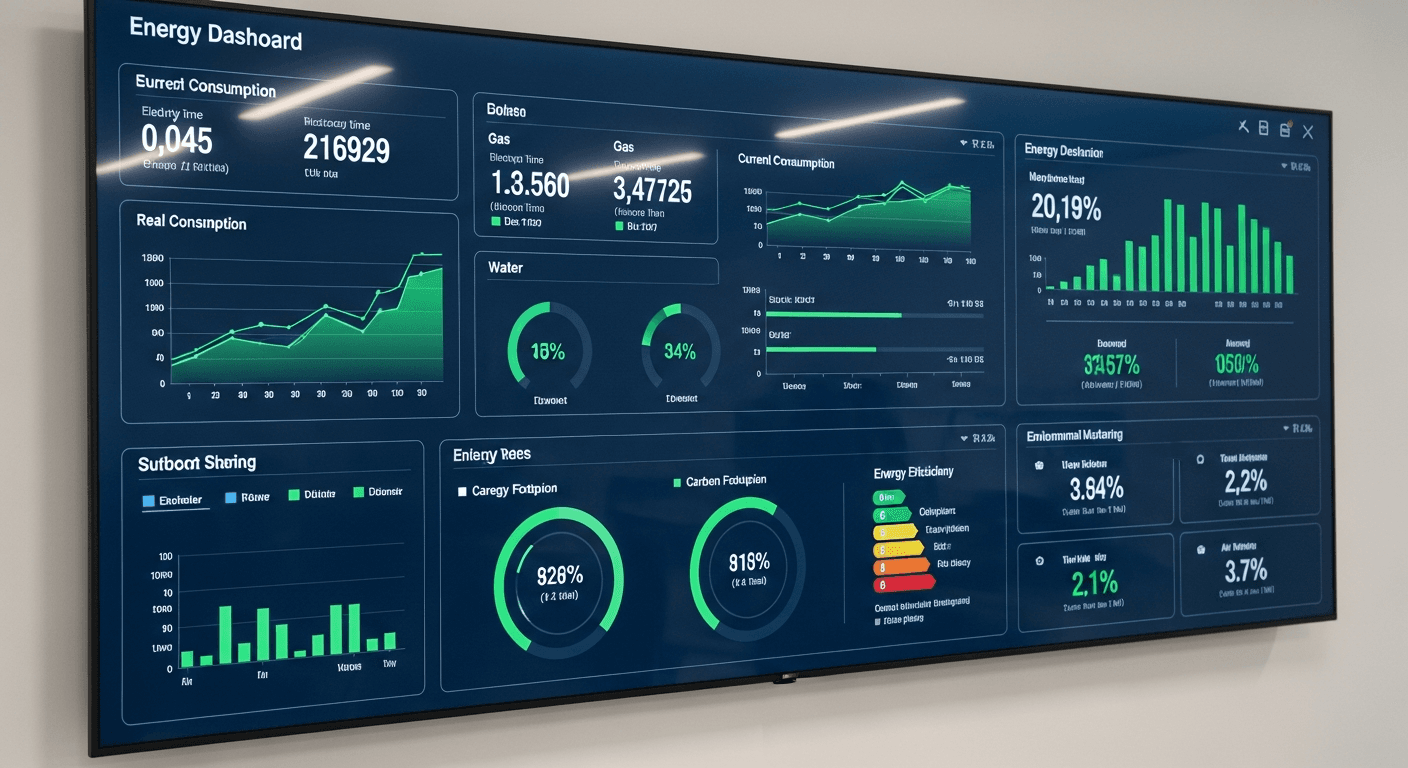
- Real-time monitoring - Track energy consumption at granular levels
- Automated controls - Respond to occupancy and conditions
- Grid interaction - Demand response and energy storage
- Carbon tracking - Measure and report emissions accurately
Implementation Roadmap
Phase 1: Assessment (1-3 months) Conduct energy audits, identify efficiency opportunities, and establish baselines.
Phase 2: Efficiency Improvements (6-18 months) Implement lighting upgrades, HVAC optimization, and building envelope improvements.
Phase 3: Renewable Integration (3-12 months) Design and install on-site generation, considering battery storage where appropriate.
Phase 4: Optimization (Ongoing) Continuously monitor, adjust, and improve building performance using smart systems.
Financial Considerations
Net zero investments typically deliver:
- 20-40% reduction in operating costs
- Increased property values
- Access to green financing options
- Tenant retention benefits
The CONTEXUS Platform
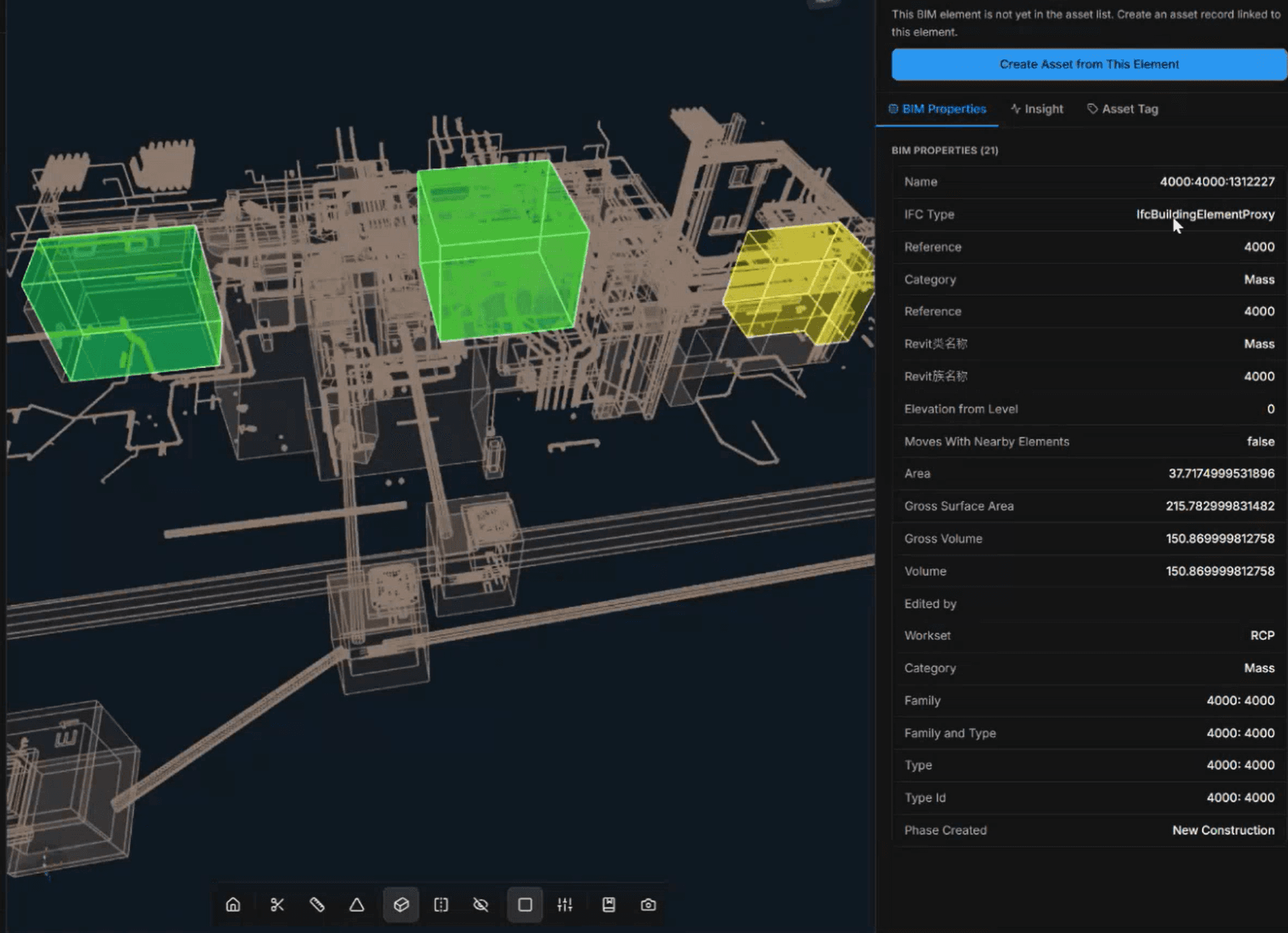
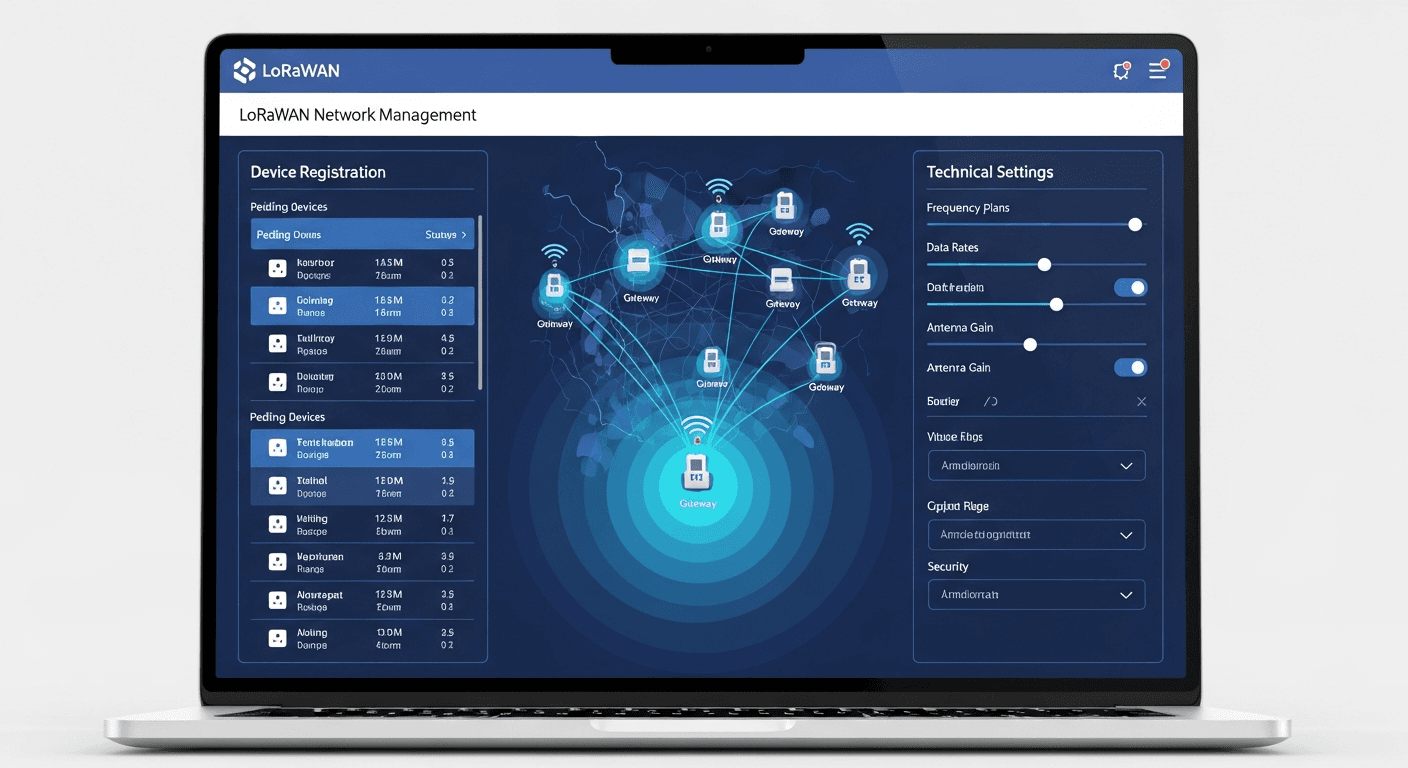
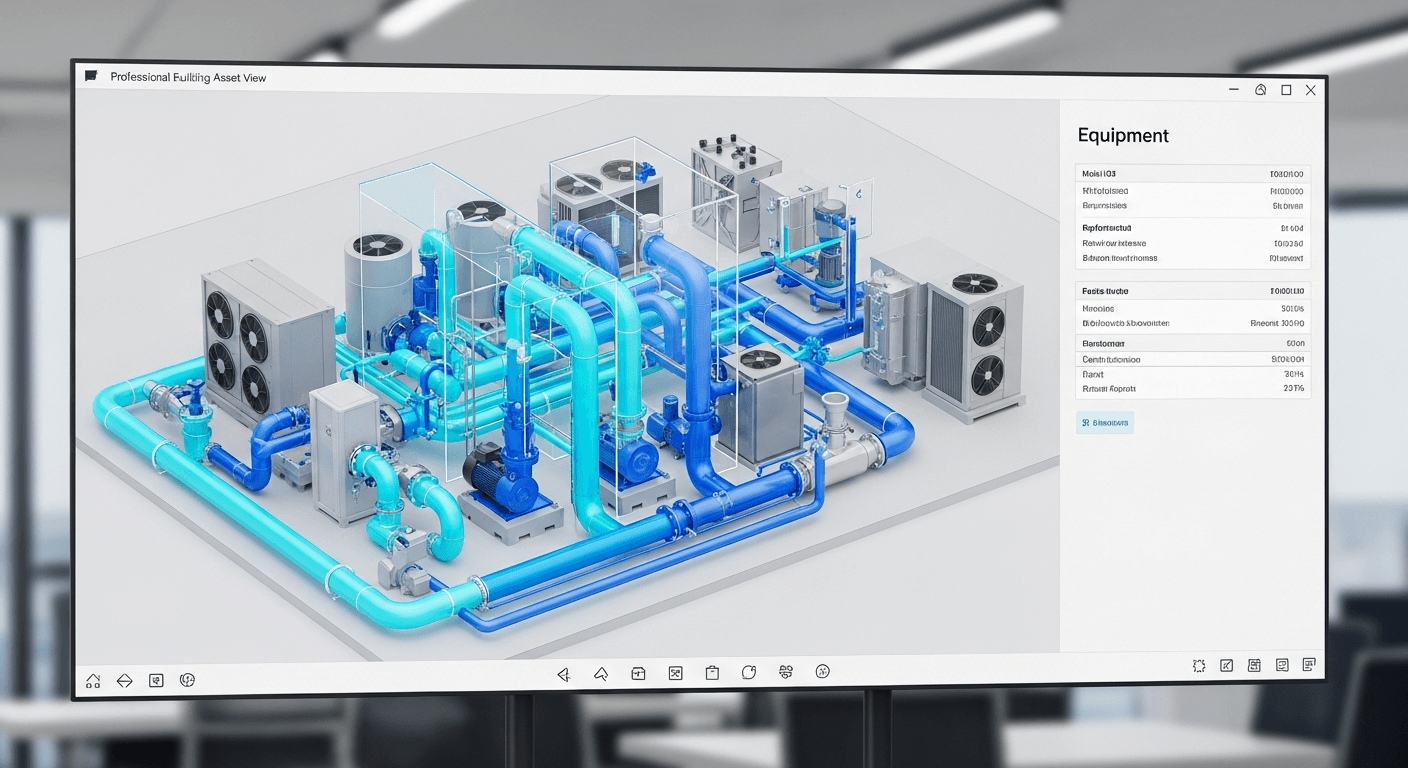
CONTEXUS provides the digital infrastructure needed to monitor, optimize, and verify net zero performance. Our open-source modules integrate with existing building systems and provide the data transparency required for sustainability reporting.
Conclusion
Achieving net zero is a journey that requires commitment, investment, and the right technology partners. The buildings that take action today will be best positioned for the sustainable future ahead.