The Rise of AI-Powered Building Management Systems in 2025
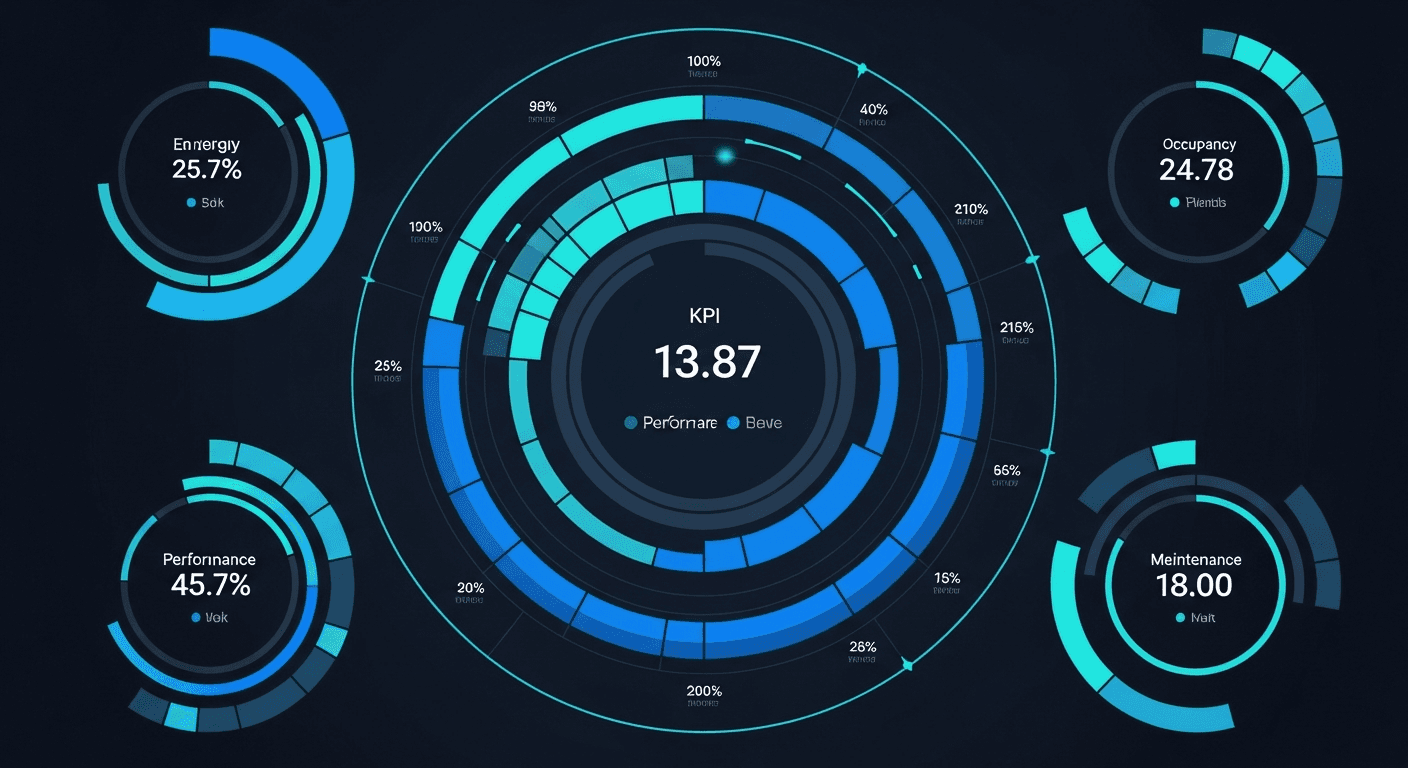
Explore how artificial intelligence is transforming building operations, from predictive maintenance to autonomous energy optimization, delivering 15-25% energy reduction.
Introduction
Artificial intelligence is revolutionizing the way we manage and operate commercial buildings. In 2025, AI-powered Building Management Systems (BMS) have moved from experimental technology to mainstream adoption, fundamentally changing how facility managers approach building operations.
The Evolution of Building Intelligence
Traditional building management systems relied on static schedules and basic automation rules. Today's AI-powered systems can learn from patterns, predict equipment failures, and optimize energy consumption in real-time.
Key Capabilities
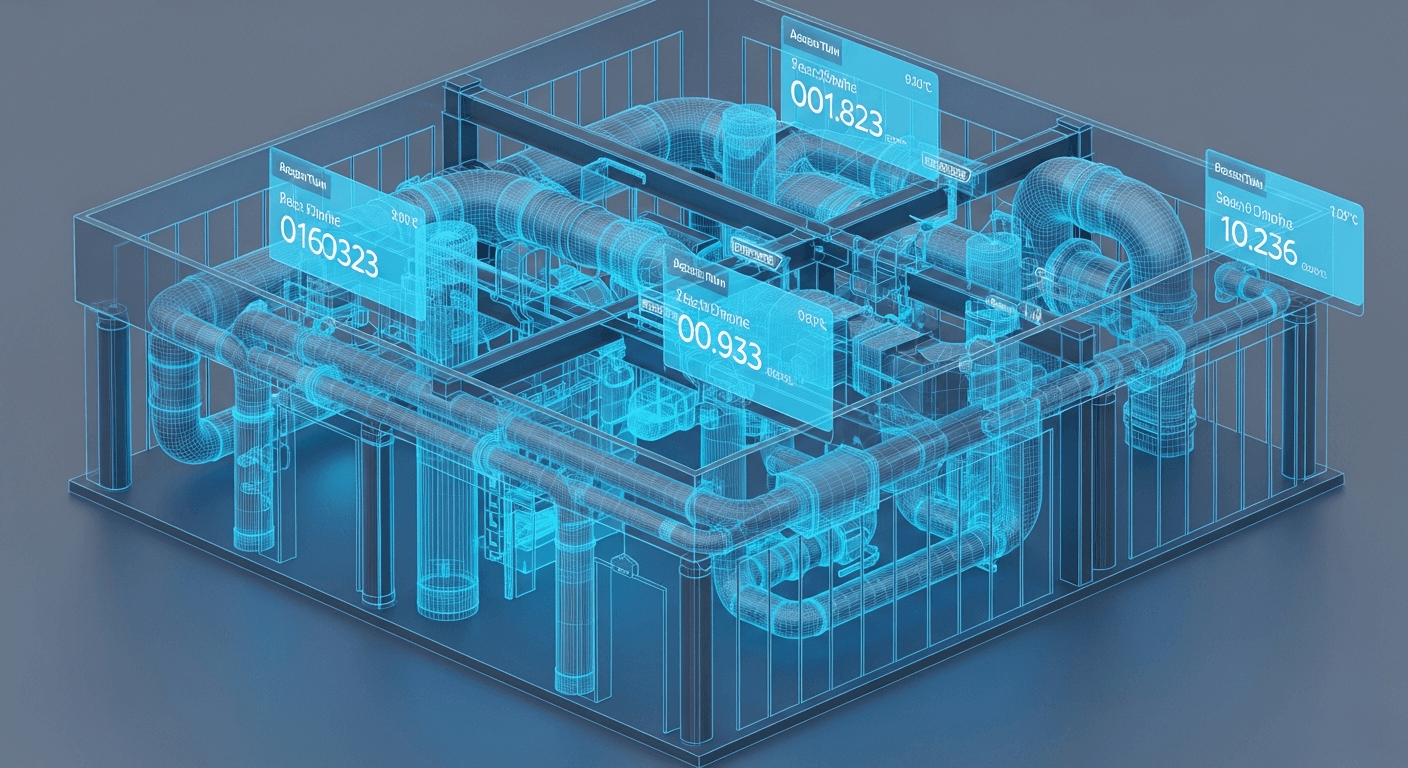
Predictive Maintenance AI algorithms analyze sensor data from HVAC systems, elevators, and other critical equipment to predict failures before they occur. This proactive approach reduces downtime by up to 40% and extends equipment lifespan.
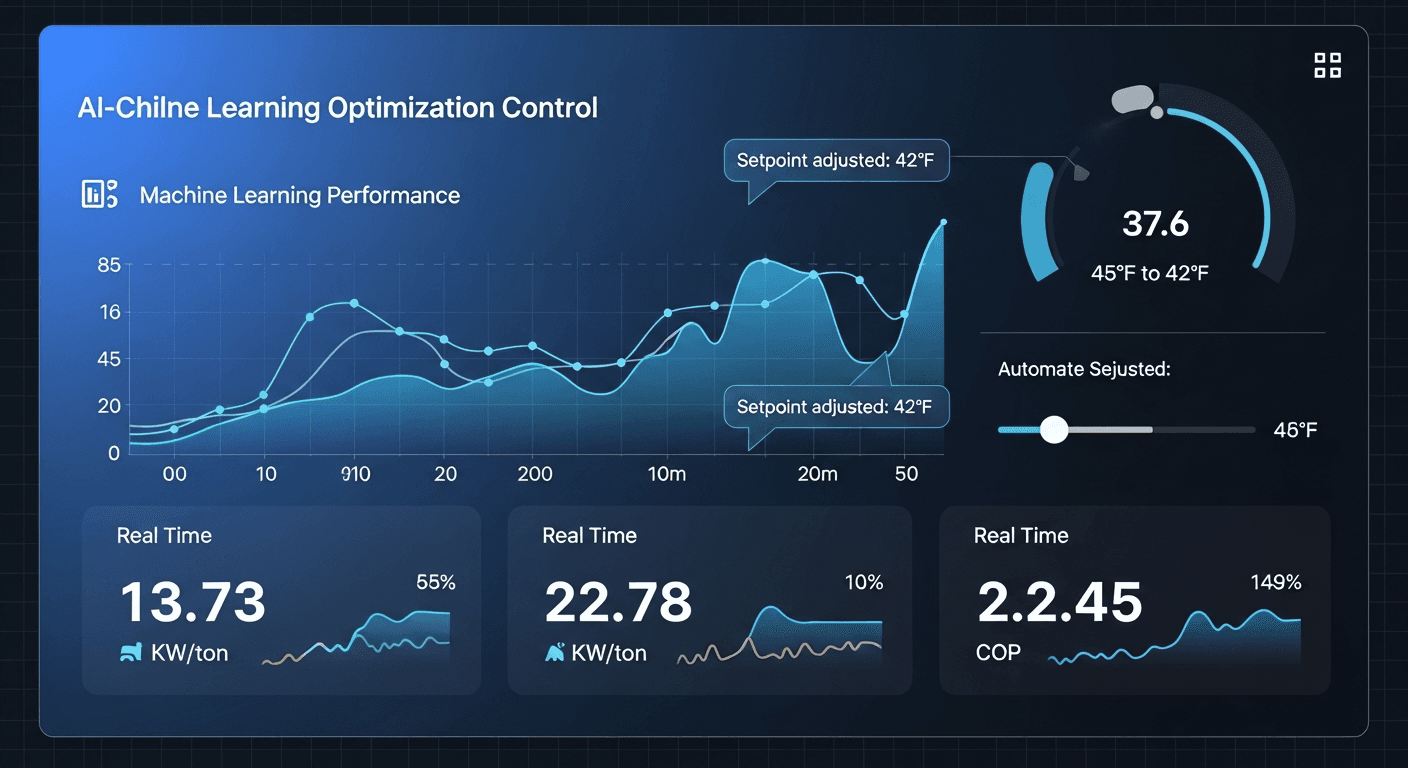
Autonomous Energy Optimization Machine learning models continuously adjust heating, cooling, and lighting based on occupancy patterns, weather forecasts, and energy prices. Buildings equipped with AI optimization report 15-25% reduction in energy costs.
Occupancy Intelligence Advanced computer vision and sensor fusion technologies provide accurate occupancy data, enabling dynamic space utilization and improved comfort management.
Implementation Best Practices
- Start with data quality - Ensure your building sensors are calibrated and providing accurate readings
- Define clear objectives - Set measurable goals for energy reduction, comfort improvement, or maintenance optimization
- Integrate gradually - Begin with pilot zones before full building deployment
- Train your team - Ensure facility managers understand how to work alongside AI systems
The CONTEXUS Approach
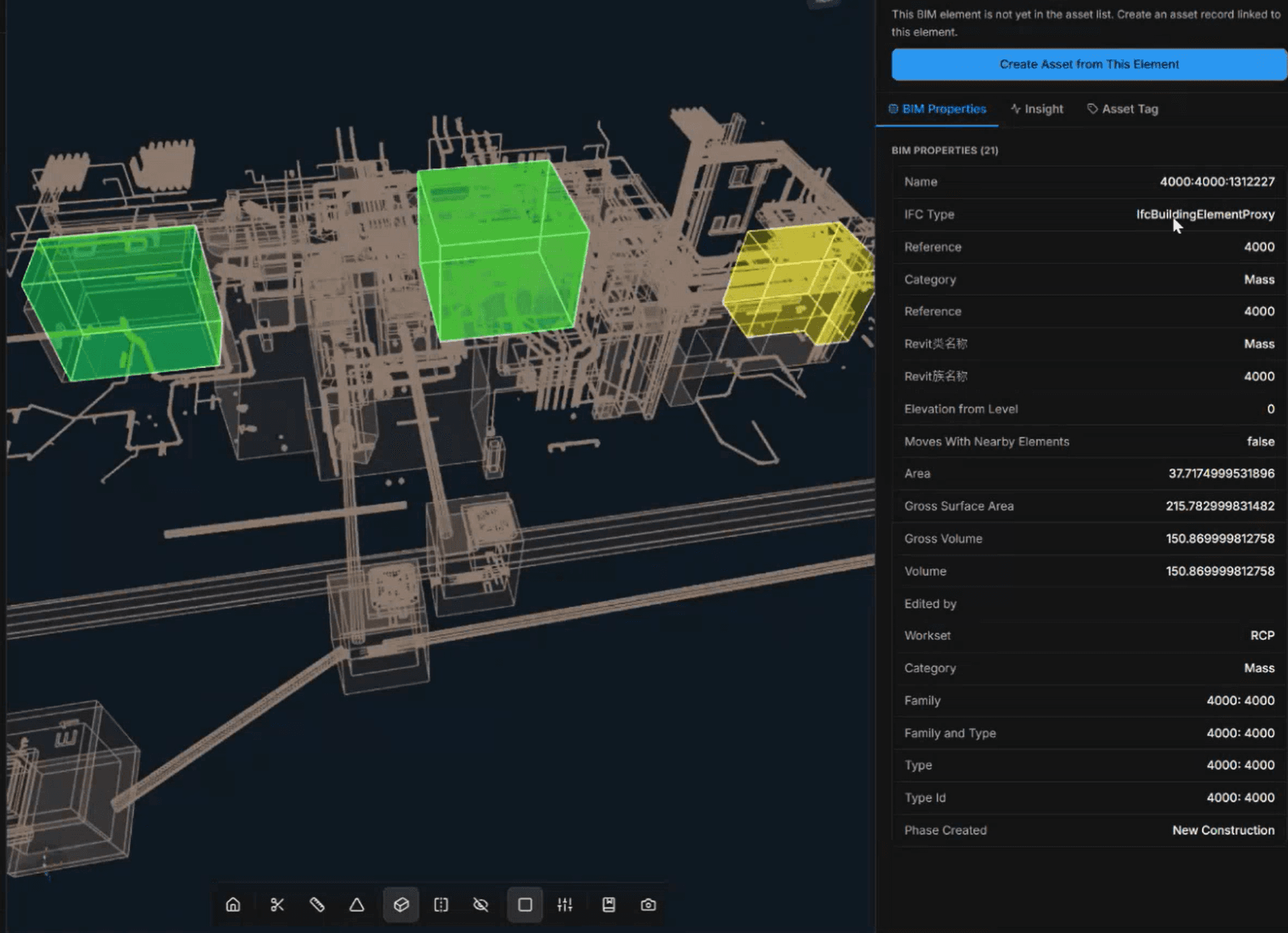
CONTEXUS provides an open-source framework that enables system integrators to implement AI capabilities without vendor lock-in. Our modular architecture allows you to choose the AI components that best fit your needs.
Looking Ahead
As AI technology continues to advance, we expect to see even more sophisticated building intelligence capabilities, including natural language interfaces for building control and predictive modeling for tenant comfort optimization.
Conclusion
AI-powered building management represents a significant opportunity for facility managers and building owners to reduce costs, improve occupant comfort, and meet sustainability goals. The technology is mature, the ROI is proven, and the time to act is now.