The Business Case for Smart Building Retrofits
ROI analysis and implementation strategies for upgrading legacy buildings with modern IoT infrastructure and automation systems.
Introduction
With over 80% of buildings that will exist in 2050 already standing today, retrofitting existing buildings with smart technology is essential for meeting sustainability and operational goals. This guide examines the business case for smart building retrofits.
Why Retrofit?
Regulatory Pressure
Building performance standards are tightening globally. Cities are implementing building performance mandates that require efficiency improvements.
Tenant Expectations
Modern tenants expect technology-enabled workplaces with comfort, connectivity, and sustainability credentials.
Operational Costs
Energy costs continue to rise, while smart technology costs have decreased significantly, improving retrofit economics.
Asset Value
Smart buildings command premium rents and higher valuations in competitive markets.
Retrofit Investment Categories
Lighting Systems
Investment: Moderate Payback: 2-4 years
LED upgrades with smart controls typically deliver:
- 40-60% energy reduction
- Improved occupant satisfaction
- Enhanced space flexibility
HVAC Controls
Investment: Moderate to High Payback: 3-6 years
Smart HVAC controls provide:
- 15-30% energy savings
- Better comfort control
- Predictive maintenance capabilities
Building Automation System
Investment: High Payback: 4-7 years
Modern BAS enables:
- Centralized control and monitoring
- Advanced scheduling and optimization
- Integration with other building systems
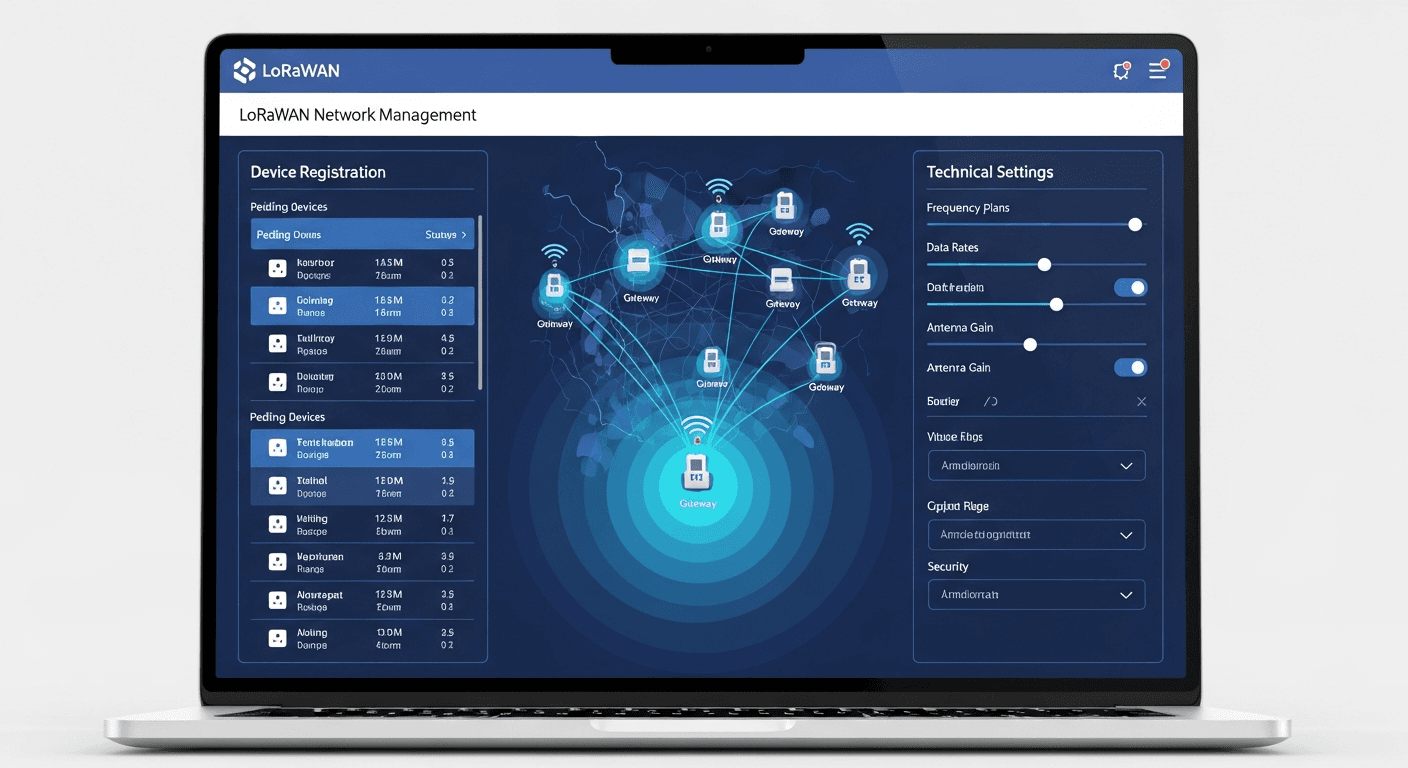
IoT Sensor Infrastructure
Investment: Low to Moderate Payback: 2-5 years
Sensor networks provide:
- Real-time visibility into building performance
- Data for optimization and planning
- Foundation for future smart building capabilities
Financial Analysis Framework
Direct Benefits
- Energy cost reduction
- Maintenance savings
- Labor efficiency gains
Indirect Benefits
- Increased rental income
- Higher occupancy rates
- Extended equipment life
- Improved tenant satisfaction
Risk Mitigation
- Regulatory compliance
- Resilience to energy price volatility
- Competitive positioning
Implementation Approach
Phase 1: Assessment and Planning
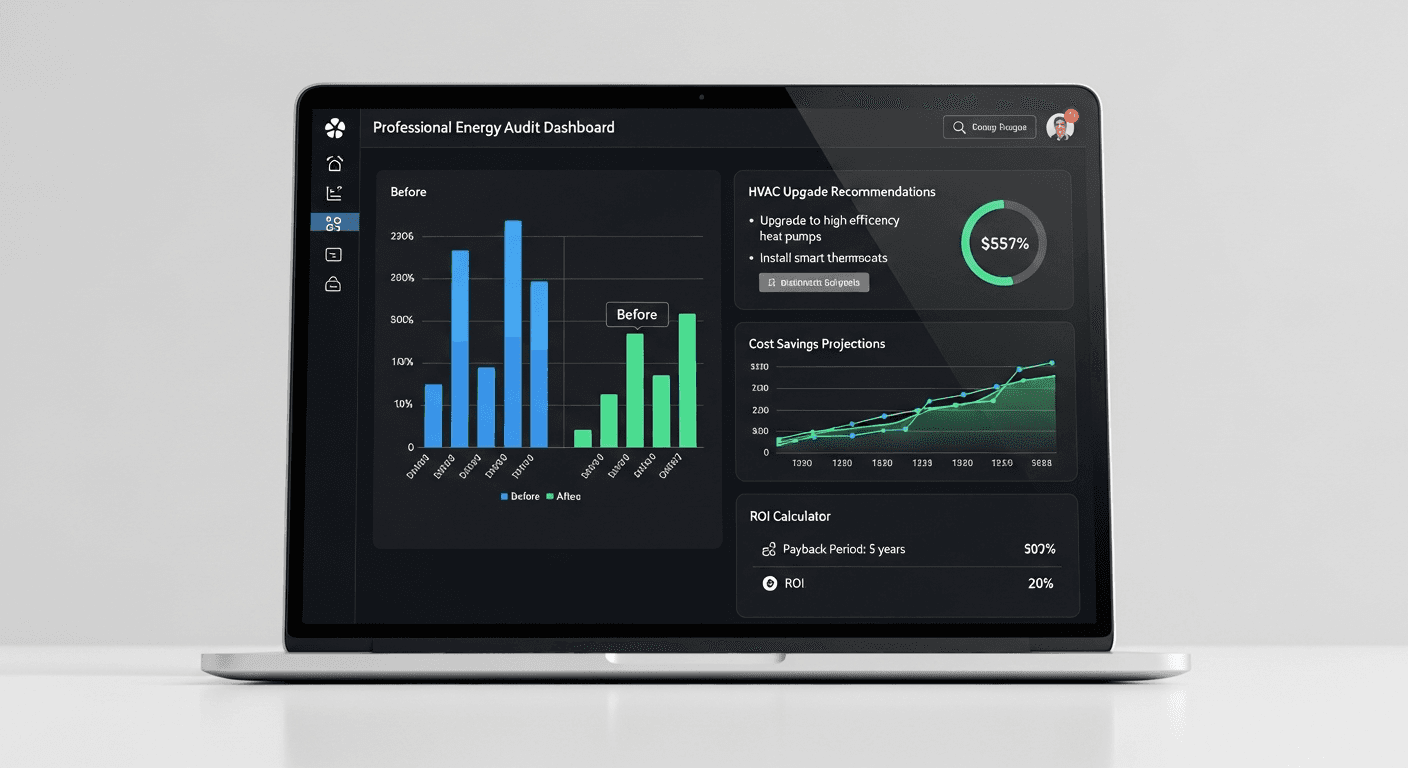
- Energy audit and baseline establishment
- Prioritization of opportunities
- Business case development
Phase 2: Quick Wins
- Lighting upgrades
- HVAC scheduling optimization
- Basic automation improvements
Phase 3: Infrastructure Investment
- Sensor deployment
- BAS modernization
- Integration platform implementation
Phase 4: Advanced Capabilities
- AI-powered optimization
- Predictive analytics
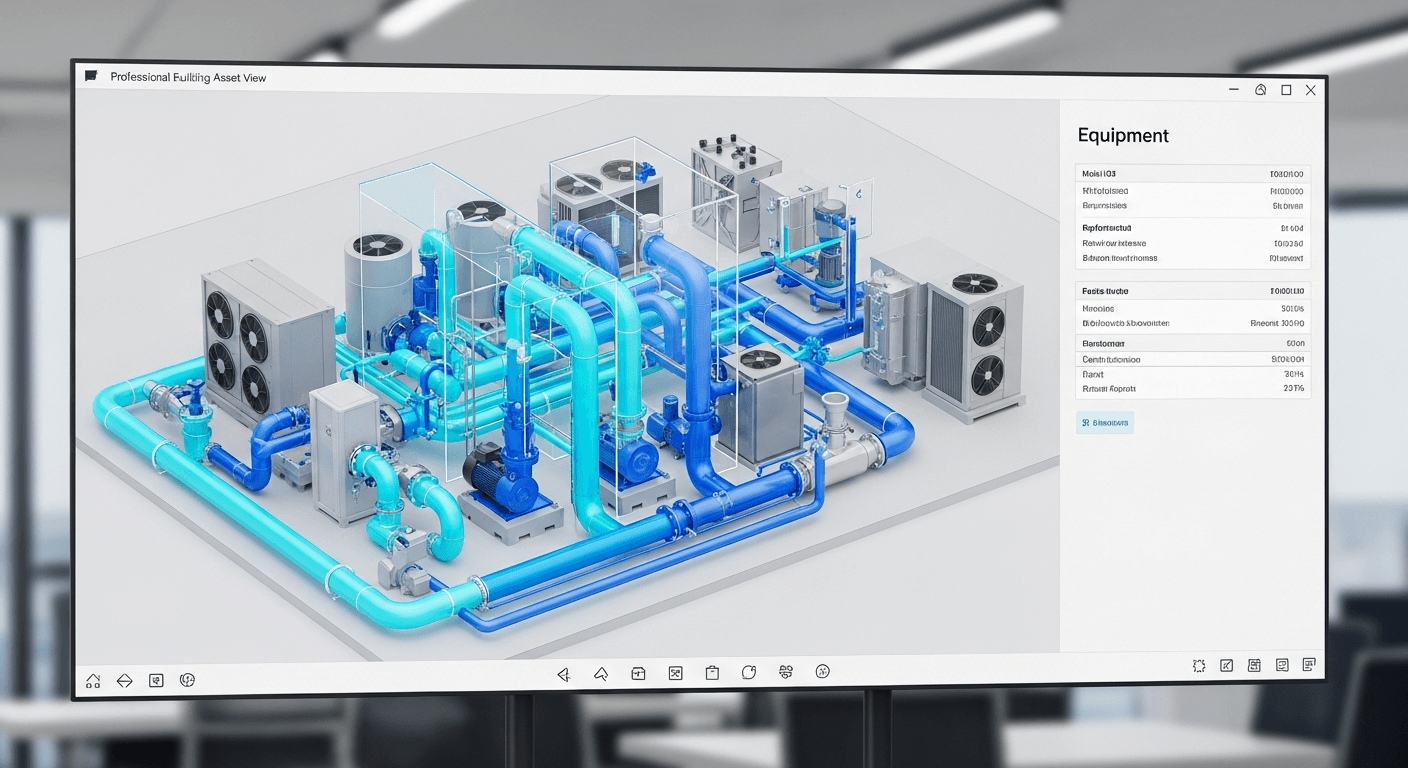
- Digital twin development
Case Study: Office Building Retrofit
A 150,000 sq ft office building invested in smart building technology:
Investment: $2.8M over 3 years
Results:
- 28% energy reduction
- 22% maintenance cost savings
- 15% improvement in tenant satisfaction scores
- Payback achieved in 4.5 years
The CONTEXUS Advantage
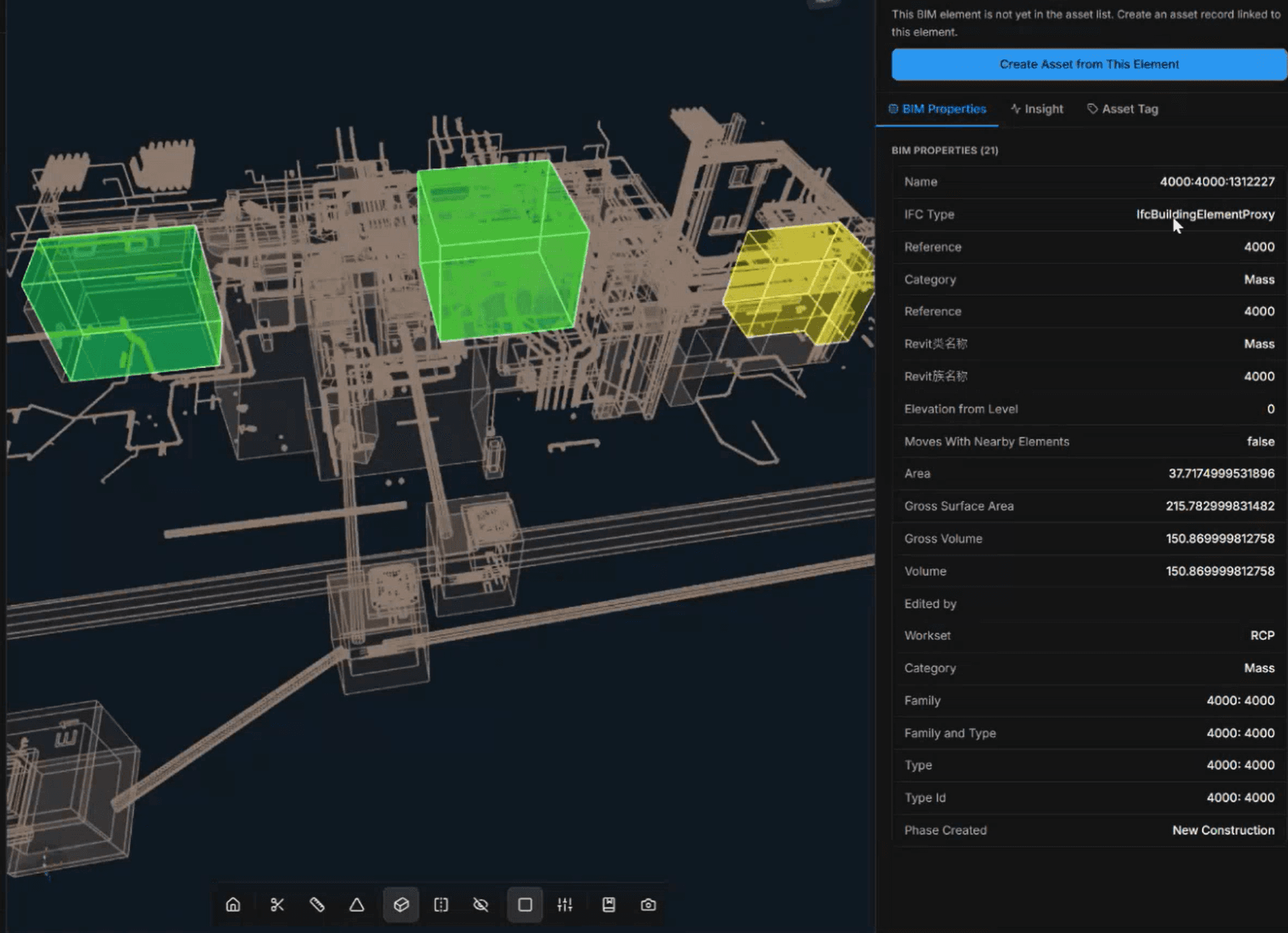
CONTEXUS provides an open-source foundation for smart building retrofits, reducing technology costs and avoiding vendor lock-in. Our modular approach allows phased implementation aligned with budget and priorities.
Conclusion
Smart building retrofits represent a compelling investment opportunity for building owners. With proper planning and execution, the technology pays for itself while delivering ongoing operational and strategic benefits.