Digital Twin Technology: Beyond Visualization
How digital twins are evolving from 3D visualization tools to predictive analytics platforms that simulate building performance in real-time.
Introduction
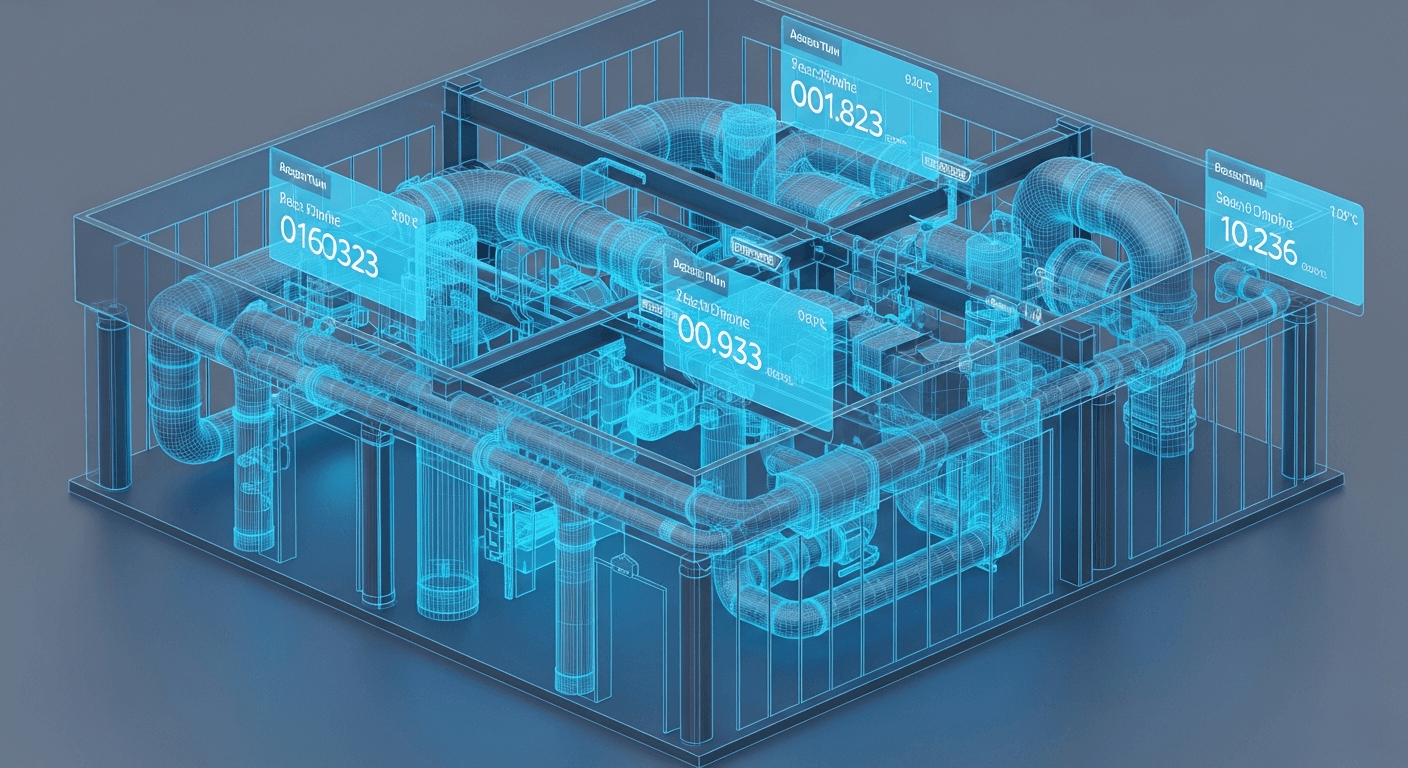
Digital twin technology has evolved dramatically from its origins as 3D building visualization. Today's digital twins are dynamic, data-driven platforms that simulate building performance and enable predictive decision-making.
What Is a Digital Twin?
A digital twin is a virtual representation of a physical building that:
- Receives real-time data from building sensors and systems
- Maintains an accurate model of building state
- Enables simulation of different scenarios
- Provides insights for optimization and planning
Evolution of Building Digital Twins
First Generation: 3D Visualization
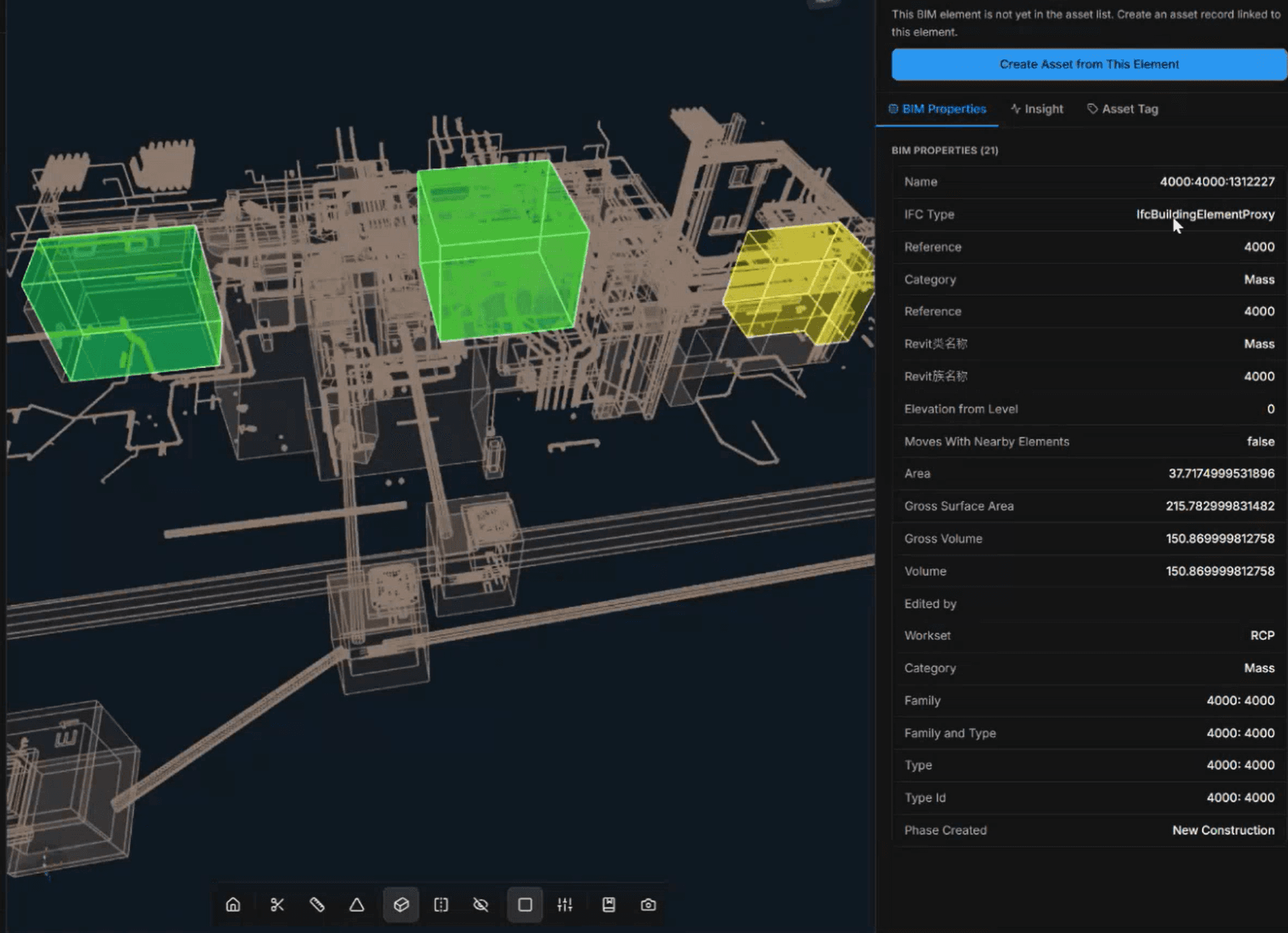
Static models imported from BIM, useful for design review and asset location.
Second Generation: Connected Models
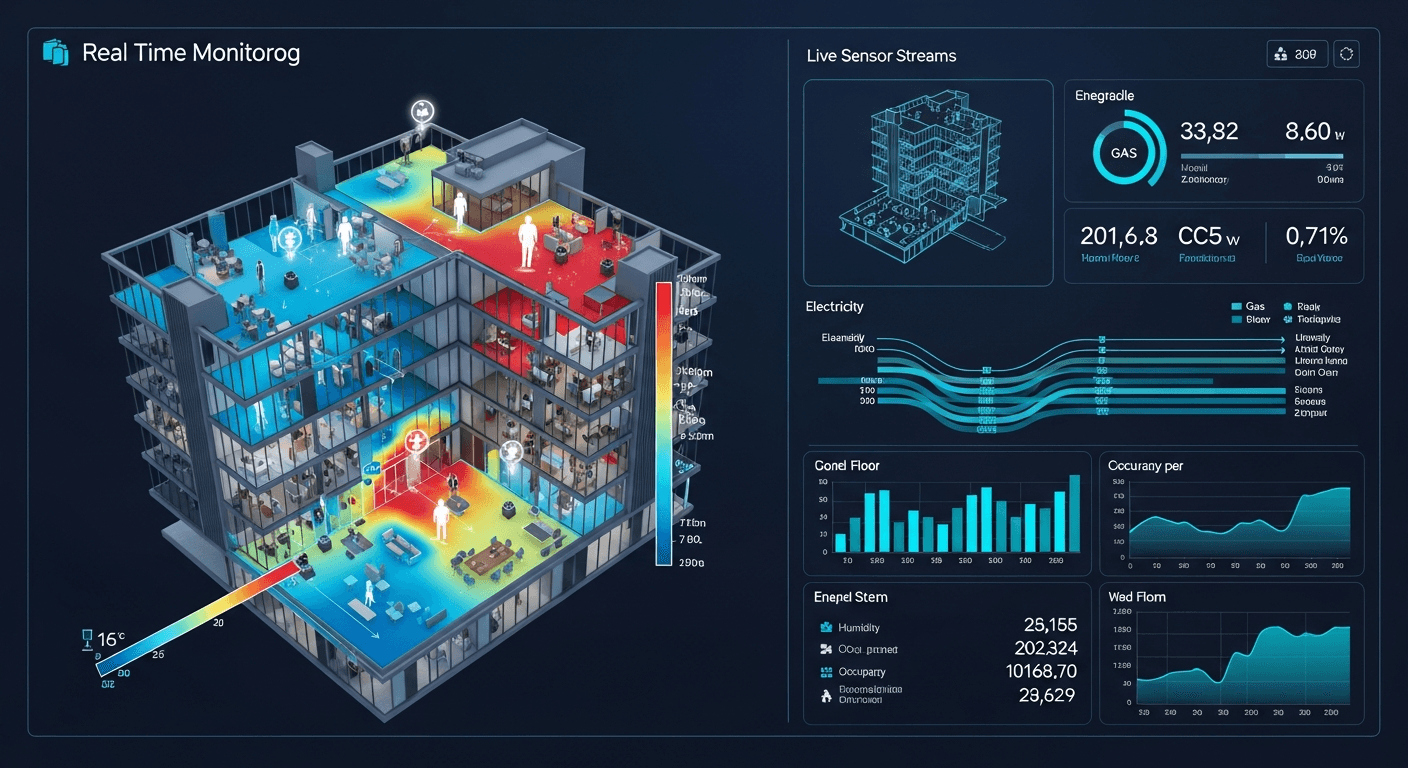
Real-time sensor data overlaid on 3D models, enabling visual monitoring and alerts.
Third Generation: Simulation Platforms
Physics-based modeling enables "what-if" analysis and predictive optimization.
Fourth Generation: Autonomous Operations
AI-powered twins that can make decisions and control building systems directly.
Key Capabilities
Performance Simulation
Digital twins can simulate:
- Energy consumption under different scenarios
- Thermal comfort in various configurations
- Air flow and indoor air quality
- Equipment performance and degradation
Predictive Analytics
By combining historical data with physics models:
- Predict equipment failures before they occur
- Forecast energy consumption for budgeting
- Model impact of proposed changes
- Optimize maintenance scheduling
Scenario Planning
Test ideas before implementation:
- Evaluate retrofit options virtually
- Plan for climate change impacts
- Optimize space utilization strategies
- Test emergency response procedures
Implementation Approach
Data Foundation
Start with reliable, comprehensive sensor data. A digital twin is only as good as the data feeding it.
Model Development
Create accurate geometric and systems models. Consider BIM-to-digital-twin workflows.
Integration Layer
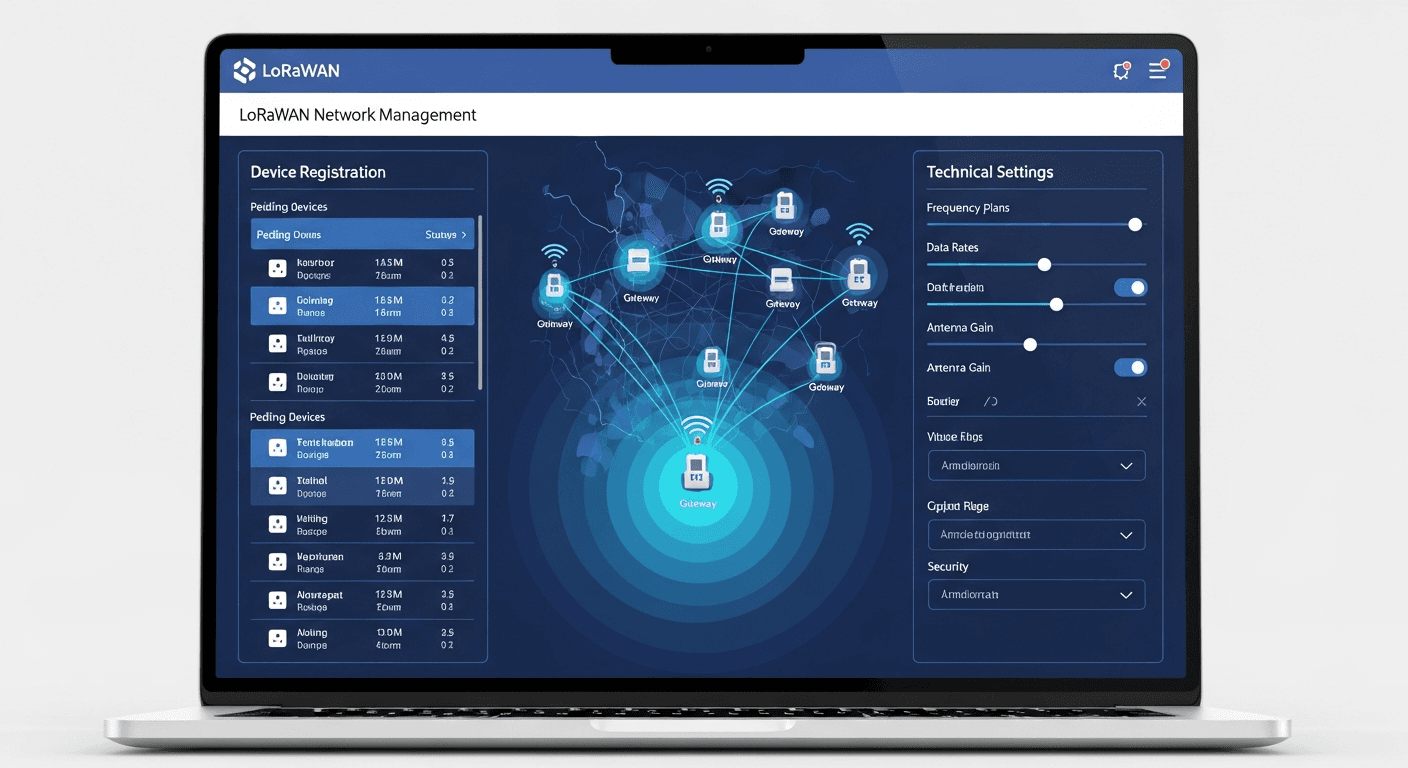
Connect building systems, sensors, and external data sources through a unified platform.
Analytics Engine
Implement the simulation and prediction capabilities that deliver value.
User Interface
Provide intuitive access for different stakeholders, from facility managers to executives.
Return on Investment
Organizations using advanced digital twins report:
- 10-30% reduction in energy costs
- 25-40% improvement in maintenance efficiency
- Faster identification and resolution of issues
- Better decision-making for capital investments
The CONTEXUS Approach
CONTEXUS provides the data integration and analytics foundation for building digital twins. Our open-source platform connects with leading digital twin visualization tools while providing the real-time data and AI capabilities that bring twins to life.
Looking Forward
As computing power increases and AI capabilities expand, digital twins will become even more autonomous and predictive. The buildings of tomorrow will essentially manage themselves, with digital twins serving as their intelligence layer.
Conclusion
Digital twin technology represents a fundamental shift in how we understand and manage buildings. Organizations that invest in this technology today will be better equipped to optimize operations, reduce costs, and meet sustainability goals.