The Future of Smart Buildings: Predictions for 2030
Industry experts weigh in on emerging technologies, market trends, and the evolution of intelligent building systems over the next five years.

Introduction
The smart building industry is evolving rapidly. Looking ahead to 2030, we can anticipate significant advances in technology, changes in how buildings are designed and operated, and new expectations from occupants and owners alike.
Technology Trends
Artificial Intelligence and Machine Learning
Current State AI is being used for energy optimization and predictive maintenance in leading buildings.
2030 Prediction AI will be the default operating system for buildings:
- Fully autonomous building operations
- Natural language interfaces for building control
- Predictive comfort optimization
- Real-time fault detection and response
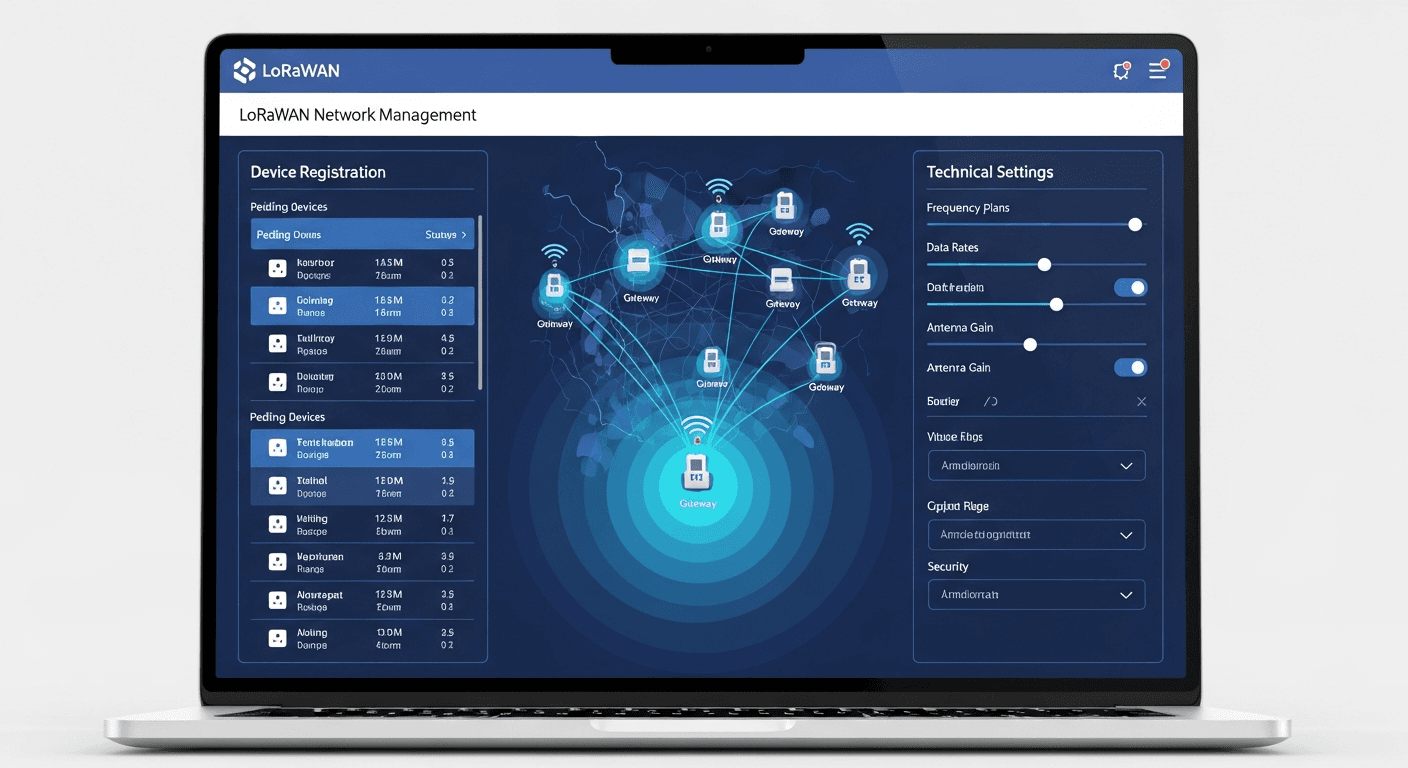
Edge Computing
Current State Most building data is processed in cloud platforms.
2030 Prediction Processing will move to the edge:
- Reduced latency for control applications
- Better resilience and reliability
- Enhanced privacy and security
- Lower bandwidth requirements
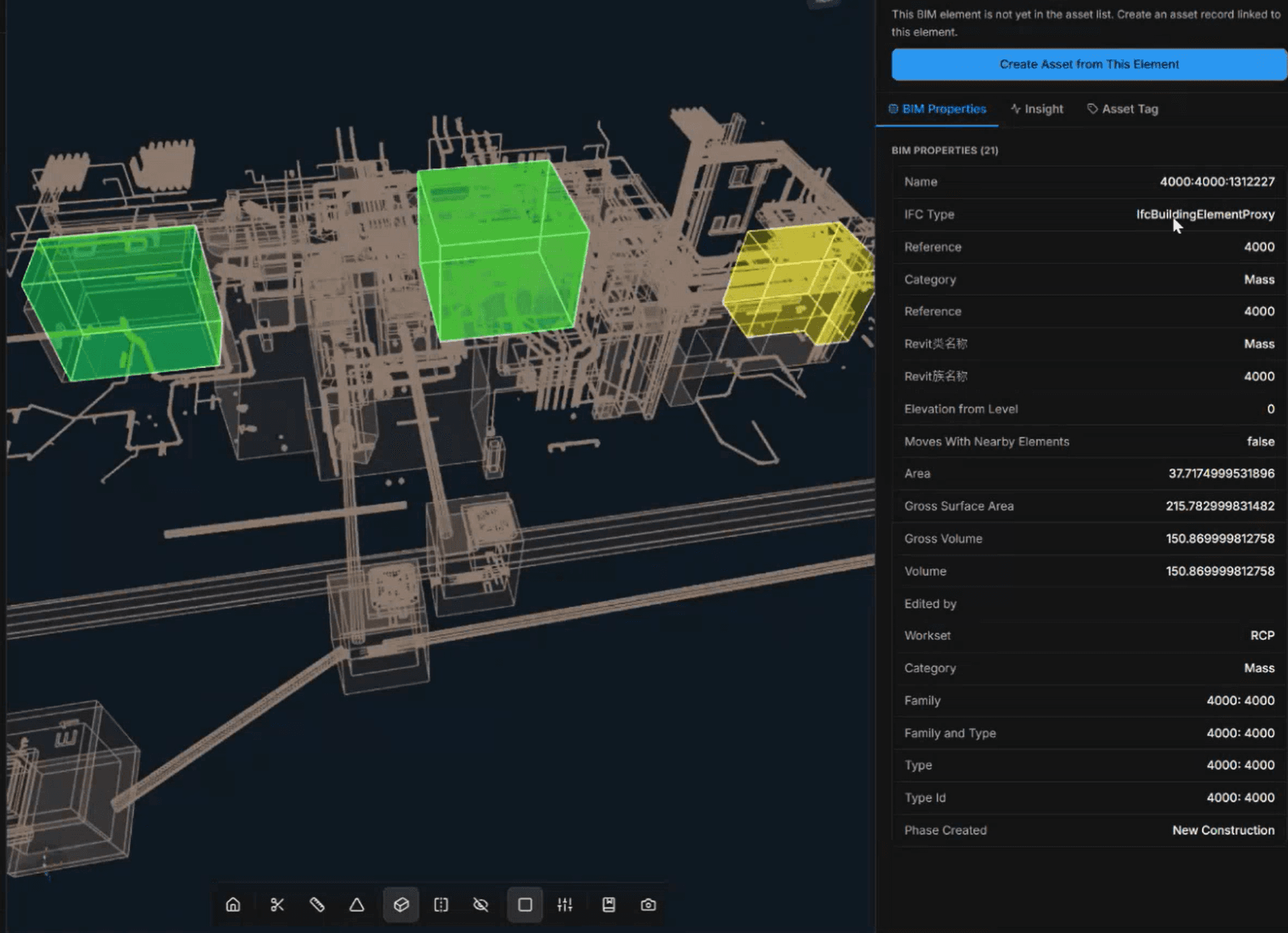
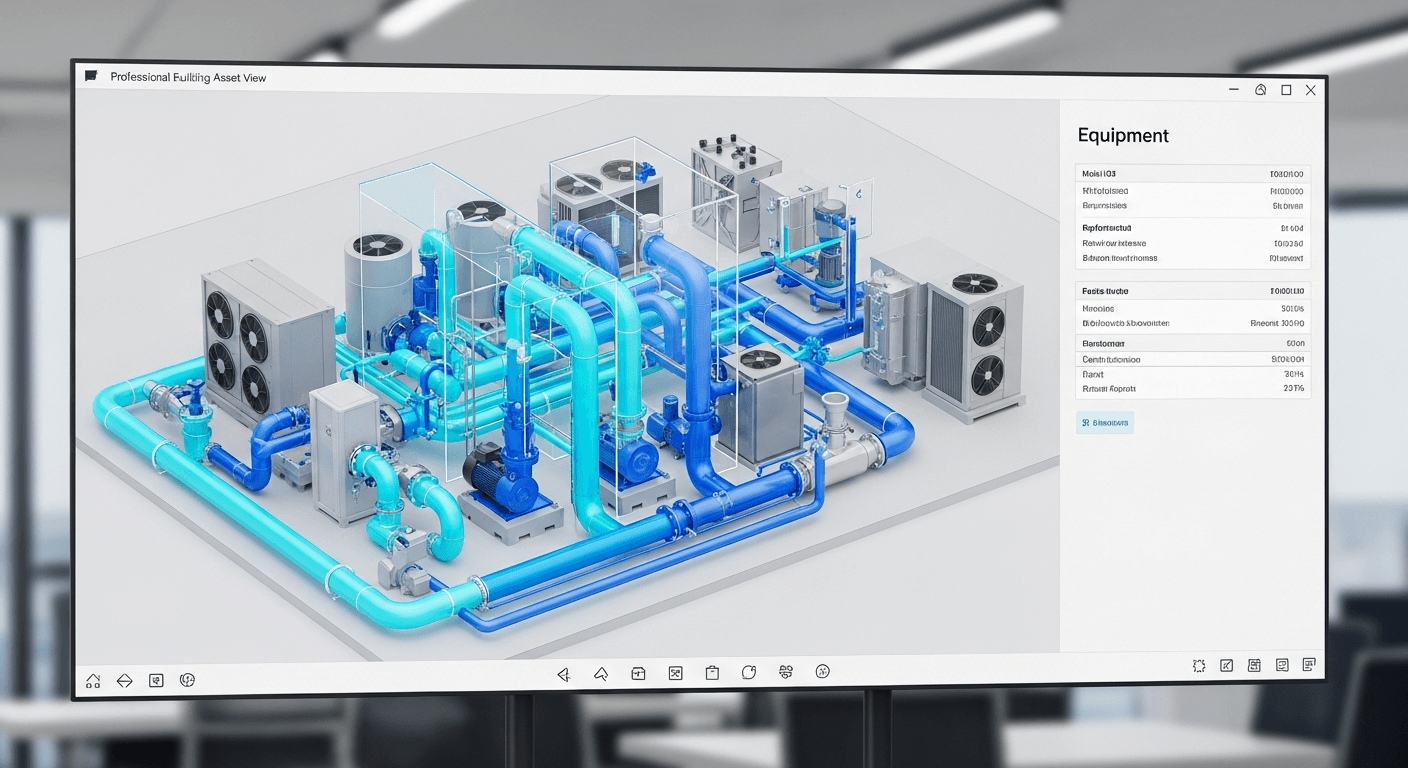
Digital Twins
Current State Digital twins are used for visualization and basic simulation.
2030 Prediction Twins will become the primary interface for building management:
- Real-time synchronization with physical buildings
- Predictive simulation capabilities
- AR/VR access for facility managers
- Automated optimization recommendations
Robotics and Automation
Current State Limited robotics deployment in cleaning and security.
2030 Prediction Robots will be common in buildings:
- Autonomous cleaning and maintenance
- Delivery and logistics robots
- Security patrol and monitoring
- Integrated with building systems
Market Evolution
Sustainability Mandates
Buildings will face increasingly strict performance requirements:
- Mandatory energy and carbon reporting
- Performance-based building codes
- Financial penalties for poor performance
- Electrification requirements
Tenant Expectations
Occupants will demand more from their buildings:
- Seamless technology experiences
- Personalized environments
- Health and wellness support
- Transparent sustainability performance
Workforce Changes
Building operations will be transformed:
- Remote monitoring and management
- AI-assisted decision making
- Focus on experience and sustainability
- Cross-functional skills required
Building Design Evolution
Flexible Spaces
Buildings will be designed for adaptation:
- Modular construction elements
- Technology-ready infrastructure
- Multiple use configurations
- Easy reconfiguration
Biophilic Design
Nature integration will be standard:
- Living walls and green spaces
- Natural light optimization
- Connection to outdoor environments
- Biophilic patterns and materials
Health-Centered Design
Wellness will be a primary design driver:
- Air quality as a feature
- Active design elements
- Mental health considerations
- Immune building concepts
Challenges Ahead
Cybersecurity
As buildings become more connected:
- Larger attack surface
- More sophisticated threats
- Need for OT security expertise
- Regulatory requirements
Skills Gap
The industry will need:
- Data science capabilities
- AI/ML expertise
- Integration specialists
- Continuous learning culture
Legacy Buildings
Most buildings in 2030 will be existing structures:
- Retrofit strategies essential
- Integration with legacy systems
- Cost-effective modernization
- Staged improvement approaches
The CONTEXUS Vision
CONTEXUS is building the open-source foundation for the smart buildings of 2030:
- Flexible, modular architecture
- AI-ready data infrastructure
- Integration with emerging technologies
- Community-driven innovation
Conclusion
The smart buildings of 2030 will be intelligent partners in occupant productivity, sustainability, and wellbeing. By understanding these trends and preparing today, building owners and operators can position their portfolios for success in the coming decade.