LoRaWAN vs WiFi: Choosing the Right Protocol for Building IoT
A technical comparison of wireless protocols for smart building applications, covering range, power consumption, security, and cost considerations.
Introduction
Choosing the right wireless protocol for your building IoT deployment is a critical decision that affects range, reliability, battery life, and total cost of ownership. This guide compares two popular options: LoRaWAN and WiFi.
Protocol Overview
WiFi (802.11)
The familiar wireless networking standard, now extending into IoT applications with protocols like WiFi HaLow (802.11ah).
LoRaWAN
A low-power, wide-area network protocol designed specifically for IoT applications requiring long range and extended battery life.
Comparison by Key Factors
Range
WiFi
- Typical indoor range: 30-50 meters
- Significantly impacted by walls and obstacles
- Requires access points throughout the building
LoRaWAN
- Indoor range: 100-300+ meters
- Better penetration through walls and floors
- Fewer gateways needed for building coverage
Winner: LoRaWAN for range and coverage
Power Consumption
WiFi
- Higher power consumption
- Typically requires wired power or frequent battery changes
- WiFi HaLow improves but still higher than LoRaWAN
LoRaWAN
- Designed for ultra-low power
- Sensors can run for 5-10 years on batteries
- Ideal for retrofit applications without power infrastructure
Winner: LoRaWAN for battery-powered sensors
Data Rate
WiFi
- Mbps data rates (more than most IoT needs)
- Suitable for video, large file transfers
- Real-time data streaming possible
LoRaWAN
- Kbps data rates
- Sufficient for sensor readings, status updates
- Not suitable for streaming or large payloads
Winner: WiFi when high bandwidth is needed
Latency
WiFi
- Low latency (milliseconds)
- Suitable for real-time control applications
LoRaWAN
- Higher latency (seconds to minutes typical)
- Designed for non-time-critical applications
Winner: WiFi for real-time applications
Security
WiFi
- WPA3 provides strong security
- Mature, well-understood security model
- Part of enterprise network security infrastructure
LoRaWAN
- AES-128 encryption
- Separate from IT network (reduces attack surface)
- End-to-end encryption built in
Winner: Tie - both offer adequate security when properly implemented
Cost Considerations
WiFi
- Lower device cost (commodity hardware)
- Higher infrastructure cost (more access points)
- Higher power costs if batteries needed
LoRaWAN
- Higher device cost (specialized hardware)
- Lower infrastructure cost (fewer gateways)
- Lower operating costs (long battery life)
Winner: Depends on deployment scale and requirements
Use Case Recommendations
Use WiFi For:
- High-bandwidth applications (cameras, displays)
- Real-time control requirements
- Areas with existing WiFi coverage
- Devices with available power connections
Use LoRaWAN For:
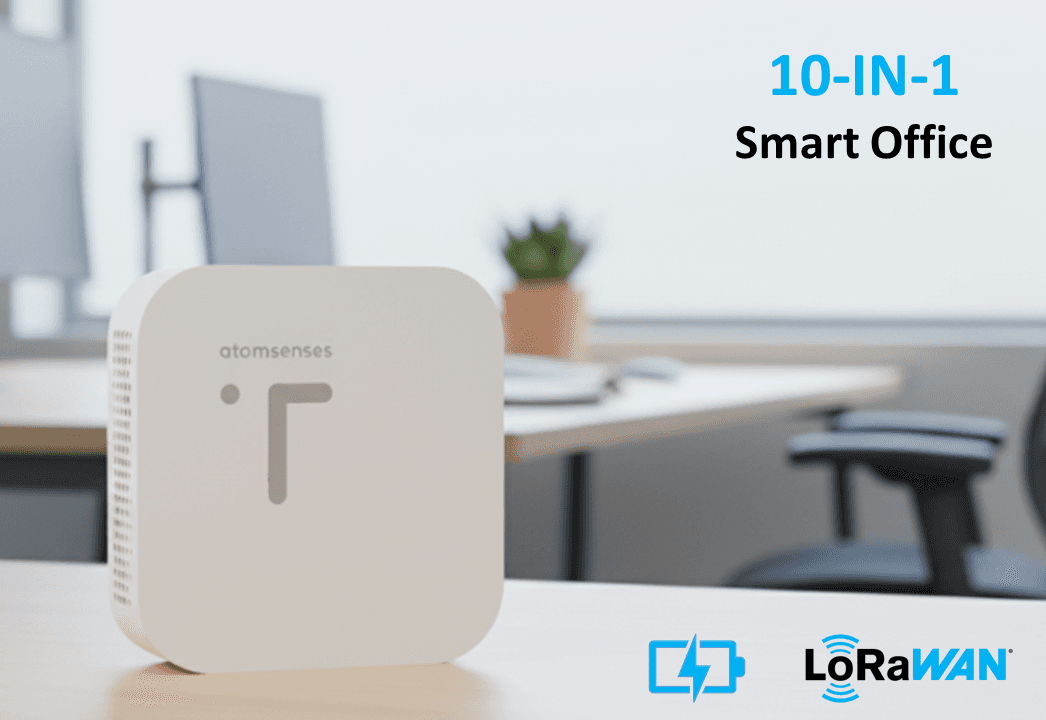
- Environmental sensors (temperature, humidity, CO2)
- Occupancy sensors in areas without power
- Building-wide deployments across multiple floors
- Retrofit applications without existing infrastructure
Consider Hybrid Approach
Many smart building deployments benefit from using both protocols for different applications:
- LoRaWAN for distributed sensor networks
- WiFi for user-facing devices and real-time systems
Implementation Tips
LoRaWAN Deployment
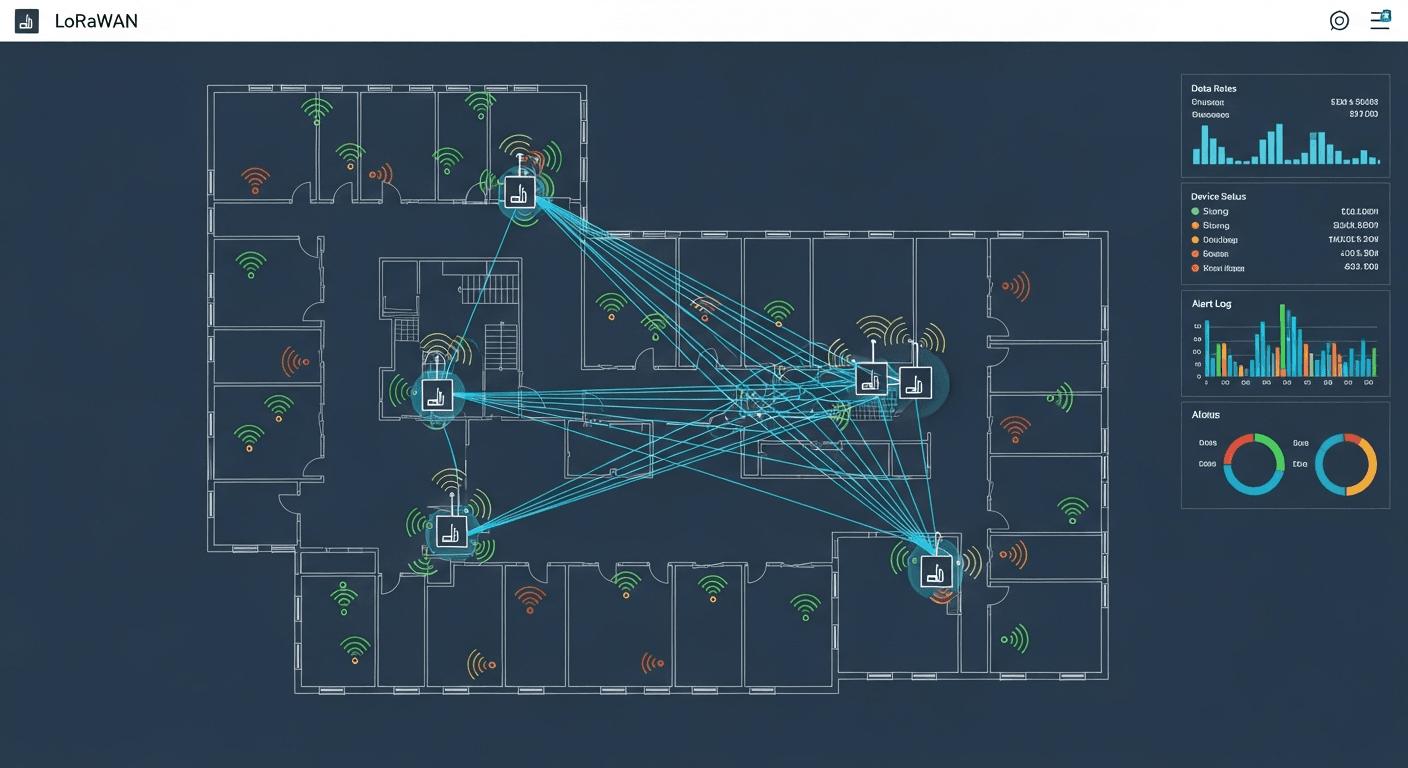
- Conduct site survey for gateway placement
- Consider outdoor gateway mounting for better coverage
- Plan for redundant gateway coverage
- Use appropriate spreading factors for your range needs
WiFi IoT Deployment
- Ensure sufficient access point density
- Consider dedicated IoT SSID with appropriate security
- Plan for network traffic management
- Monitor for interference issues
The CONTEXUS Platform
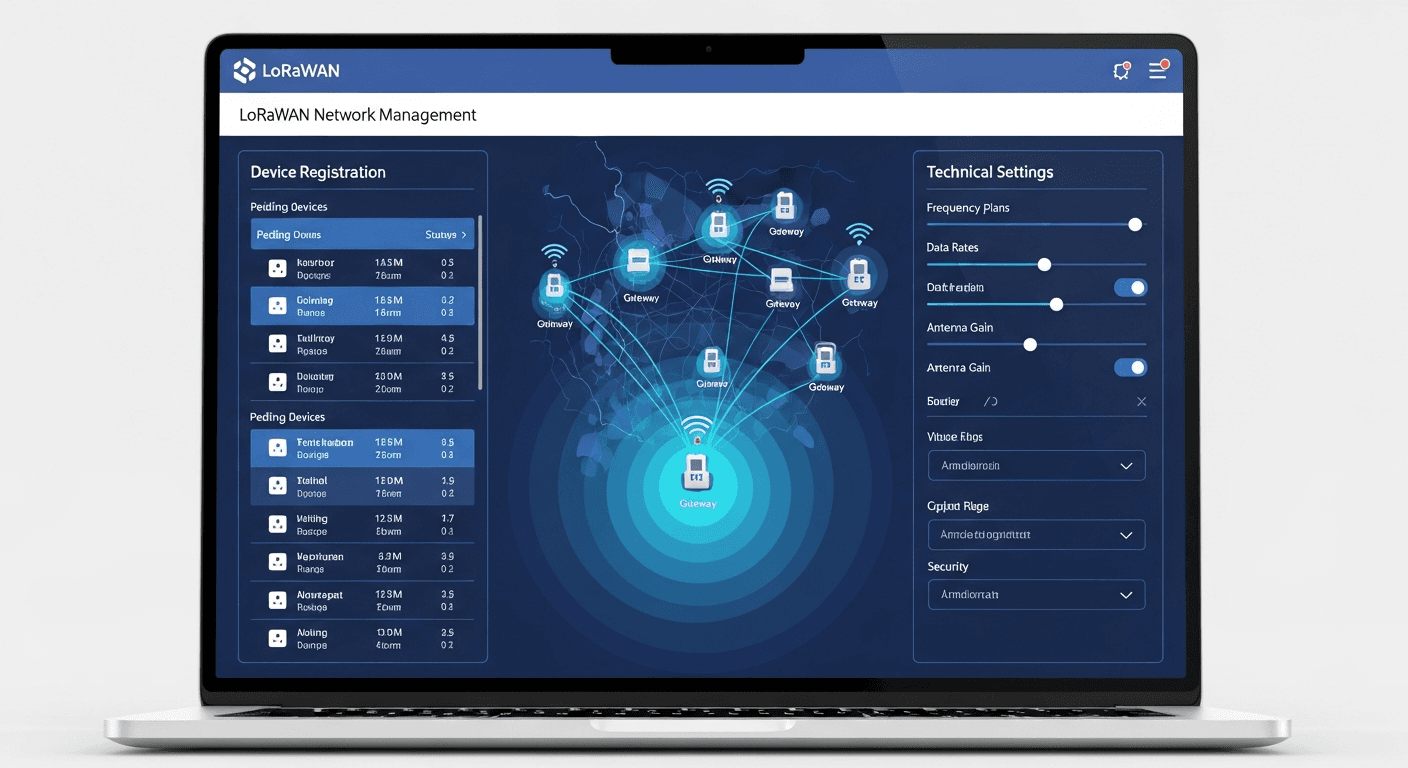
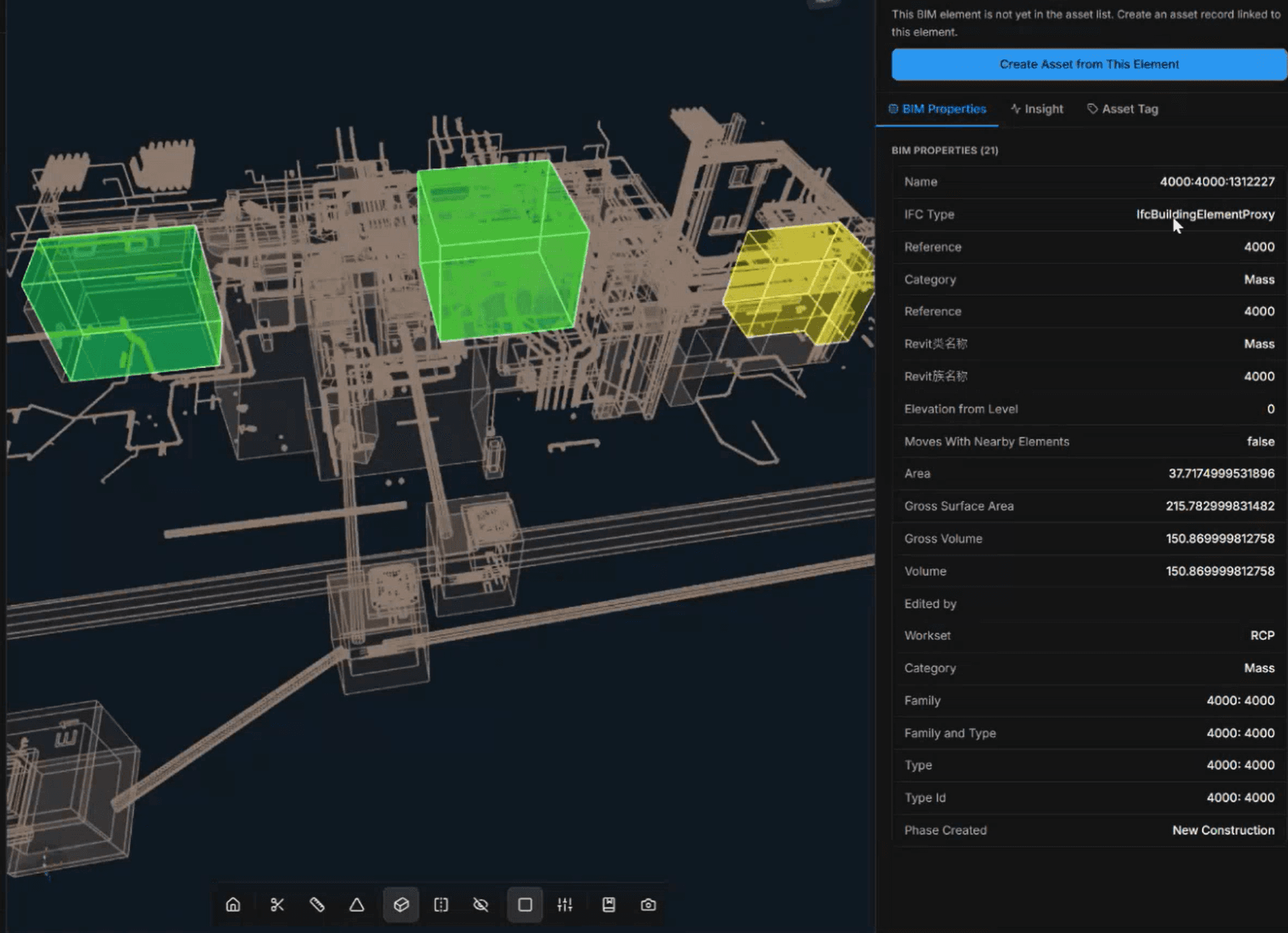
CONTEXUS supports both WiFi and LoRaWAN protocols through our unified IoT Hub. Our open architecture allows you to choose the best protocol for each application while maintaining a single management and analytics platform.
Conclusion
There is no one-size-fits-all answer to the WiFi vs LoRaWAN question. Evaluate your specific requirements for range, power, data rate, and cost to make the right choice for each application. Many successful smart building deployments use both protocols strategically.