Enhancing Occupant Experience in the Smart Workplace
How smart building technology is transforming employee satisfaction, productivity, and wellbeing through personalized environmental control and seamless services.
Introduction
The modern workplace is evolving beyond mere shelter to become an active participant in employee productivity and wellbeing. Smart building technology plays a central role in this transformation, creating environments that adapt to occupant needs.
The Occupant Experience Imperative
With hybrid work becoming the norm, buildings must offer compelling reasons for employees to come to the office. Smart technology can:
- Provide superior comfort compared to home offices
- Streamline workplace interactions and services
- Create healthy, productive environments
- Support collaboration and connection
Key Technology Enablers
Personal Environmental Control
Temperature and Air Flow Individual control over local temperature through:
- Personal comfort apps
- Desk-level HVAC controls
- Occupancy-based zone optimization
Lighting Personalized lighting through:
- Circadian rhythm support
- Task lighting adjustment
- Preference learning algorithms
Seamless Space Access
Room Booking Frictionless meeting room experience:
- Mobile-first booking systems
- Automatic room release for no-shows
- Equipment and catering integration
Wayfinding Navigate complex buildings easily:
- Indoor positioning and navigation
- Points of interest discovery
- Integration with calendar and booking
Workplace Services
Visitor Management Professional, secure visitor experience:
- Pre-registration and credentials
- Host notifications
- Building access integration
Amenity Access Streamlined services:
- Cafe and food ordering
- Fitness center booking
- Parking management
Health and Wellbeing
Air Quality Monitoring Visible commitment to health:
- Real-time air quality displays
- Automatic ventilation response
- Historical trending and reporting
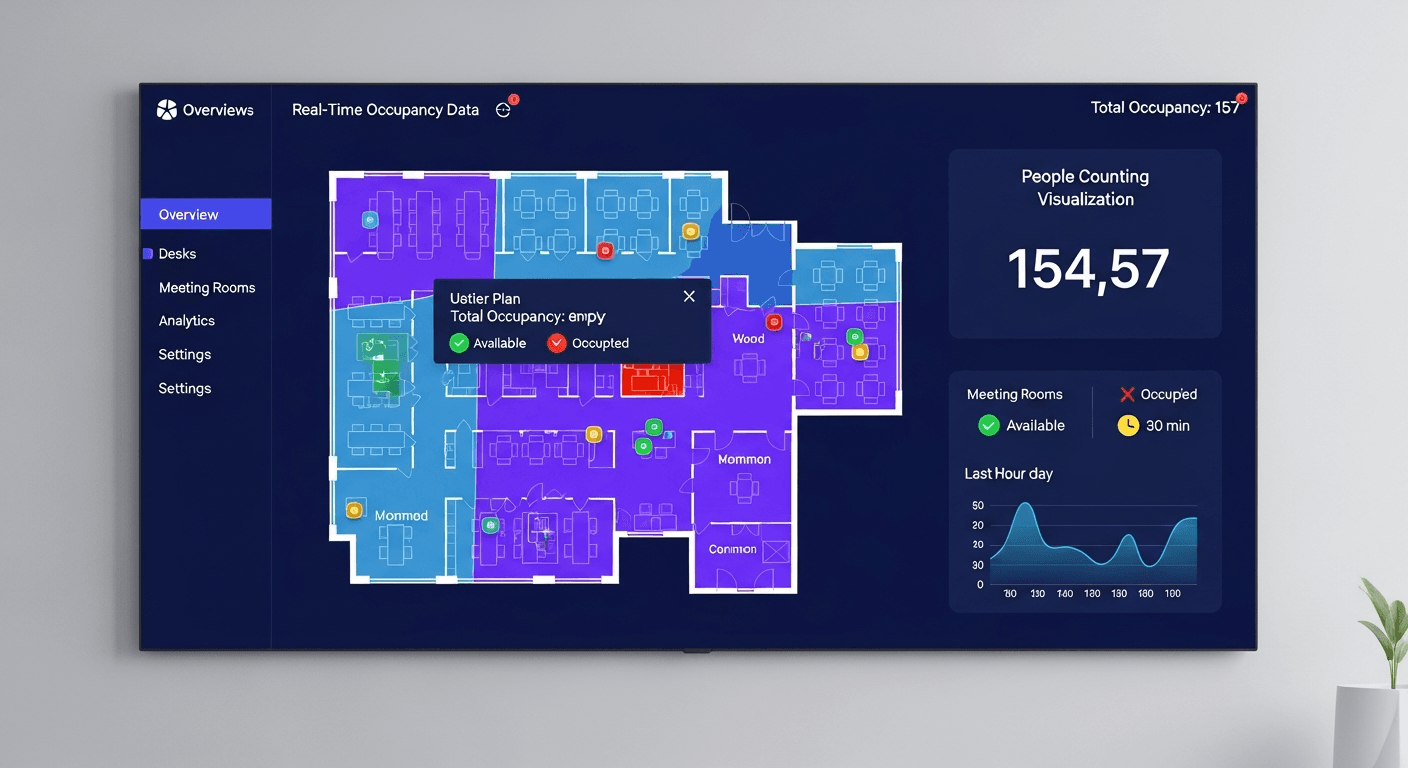
Occupancy Management Comfortable density levels:
- Real-time occupancy visibility
- Crowd avoidance guidance
- Social distancing support when needed
Implementation Approach
Start with the Basics
Ensure fundamental comfort before adding advanced features:
- Reliable HVAC performance
- Adequate lighting
- Fast, reliable WiFi
Develop the Platform
Build the technology foundation:
- Sensor infrastructure
- Integration platform
- Mobile app framework
Add Intelligence
Layer in smart capabilities:
- Preference learning
- Predictive optimization
- Personalized recommendations
Iterate and Improve
Continuously enhance based on feedback:
- Occupant surveys
- Usage analytics
- Feature requests
Measuring Success
Track these metrics to assess occupant experience:
- Satisfaction scores from regular surveys
- App engagement measuring feature adoption
- Space utilization showing how spaces are used
- Energy efficiency balancing comfort with sustainability
- Complaints tracking issues raised
The CONTEXUS Approach
CONTEXUS provides the integration platform that connects building systems with occupant-facing applications. Our open-source modules for room booking, visitor management, and environmental control work together to create seamless workplace experiences.
Conclusion
The smart workplace is not just about technology—it's about creating environments where people can do their best work. By focusing on occupant experience, building owners and employers can create compelling destinations that attract and retain talent.